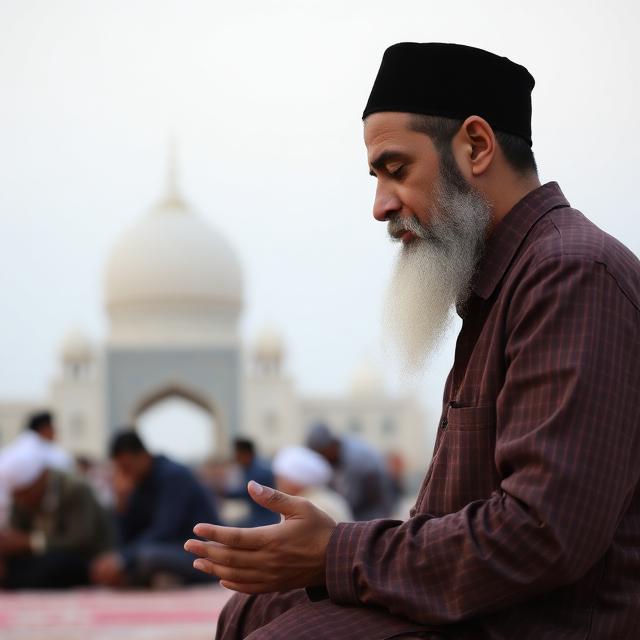
Meta Description: Learn what Salah is, the five daily prayer times, and how to perform Islamic prayer correctly. Complete guide to understanding Salah for beginners and practicing Muslims.
Introduction
Salah (also spelled Salat) is the second pillar of Islam and one of the most fundamental acts of worship for Muslims worldwide. But what exactly is Salah, and when should you perform it? If you’re new to Islam or seeking to deepen your understanding of Islamic prayer practice, this comprehensive guide will walk you through everything you need to know about Salah—its meaning, importance, timing, and how to perform it correctly.
Allah (SWT) says in the Quran: “Indeed, prayer has been decreed upon the believers a decree of specified times” (Quran 4:103). This verse emphasizes two critical aspects of Salah: its obligatory nature and the importance of performing it at designated times.
The Prophet Muhammad (peace be upon him) described prayer as “the light of the believer” and said it was the first act of worship for which we will be held accountable on the Day of Judgment. Understanding Salah is not just about learning movements and words—it’s about connecting with your Creator, finding peace in a chaotic world, and structuring your day around remembrance of Allah.
Whether you’re a new Muslim, a born Muslim seeking to improve your practice, or simply someone interested in learning about Islam, this guide will provide you with clear, practical information about Salah and how to incorporate this beautiful act of worship into your daily life.
What is Salah?
Definition and Meaning
Salah (صلاة) in Arabic literally means “connection” or “supplication.” In Islamic terminology, it refers to the ritual prayer performed five times a day by Muslims. Unlike casual supplication (dua), Salah is a structured form of worship with specific requirements, movements, and recitations.
Salah is:
- The second pillar of Islam (after Shahadah – declaration of faith)
- A direct connection between the believer and Allah
- Performed in Arabic, regardless of your native language
- A combination of physical movements and spiritual devotion
- The distinguishing factor between belief and disbelief
The Prophet Muhammad (PBUH) said: “Between a man and disbelief and polytheism stands the abandonment of prayer.” (Sahih Muslim)
The Spiritual Significance of Salah
Salah serves multiple purposes in a Muslim’s life:
1. Spiritual Connection Salah is your direct line to Allah. It’s a time when you stand before your Creator, free from worldly distractions, and focus solely on worship.
2. Moral Compass Regular prayer helps maintain ethical behavior. Allah says: “Indeed, prayer prohibits immorality and wrongdoing” (Quran 29:45).
3. Discipline and Structure The five daily prayers create a rhythm to your day, reminding you of Allah at regular intervals and preventing you from becoming too absorbed in worldly matters.
4. Peace and Tranquility The Prophet Muhammad (PBUH) would say to Bilal (RA): “Establish the prayer, give us rest with it.” Prayer is meant to be a source of comfort, not burden.
5. Community Bonding While Salah can be performed individually, congregational prayer (especially Jumu’ah – Friday prayer) strengthens community ties and Muslim brotherhood/sisterhood.
Salah vs. Other Forms of Worship
It’s important to distinguish Salah from other Islamic practices:
- Salah: Structured, ritual prayer performed 5 times daily with specific movements and recitations
- Dua: Personal supplication that can be made anytime, in any language, in any position
- Dhikr: Remembrance of Allah through phrases like “SubhanAllah,” “Alhamdulillah,” “Allahu Akbar”
- Tahajjud: Voluntary night prayer performed after sleeping
Understanding these distinctions helps you appreciate the unique position of Salah in Islamic worship.
The Five Daily Prayers: When to Perform Salah
One of the most important aspects of Salah is performing it at its prescribed times. Each of the five daily prayers has a specific time window during which it must be performed.
1. Fajr (Dawn Prayer)
Time: From true dawn (when the first light appears horizontally on the horizon) until just before sunrise
Number of Rak’ahs: 2 Sunnah + 2 Fard (obligatory)
Characteristics:
- The earliest prayer of the day
- Performed while it’s still dark
- A time when the Quran is witnessed by angels
- Requires waking up before dawn
Virtues: The Prophet Muhammad (PBUH) said: “Whoever prays the two cool prayers (Fajr and Asr) will enter Paradise.” (Sahih Bukhari)
2. Dhuhr (Noon Prayer)
Time: From when the sun passes its zenith (highest point) until the shadow of an object becomes equal to its length (plus the length of the shadow at noon)
Number of Rak’ahs: 4 Sunnah + 4 Fard + 2 Sunnah
Characteristics:
- The first prayer of the workday for many
- Performed during midday heat
- A time to pause and reconnect with Allah during busy hours
Virtues: This was the first prayer revealed to the Prophet Muhammad (PBUH) during Isra and Mi’raj.
3. Asr (Afternoon Prayer)
Time: From when the shadow of an object equals its length (plus the shadow at noon) until just before sunset
Number of Rak’ahs: 4 Sunnah + 4 Fard
Characteristics:
- The mid-afternoon prayer
- Often challenging for working professionals
- A critical prayer that some people neglect
Virtues: The Prophet (PBUH) said: “Whoever misses the Asr prayer, it is as if he has lost his family and wealth.” (Sahih Bukhari)
4. Maghrib (Sunset Prayer)
Time: From immediately after sunset until the red twilight disappears from the sky
Number of Rak’ahs: 3 Fard + 2 Sunnah
Characteristics:
- The shortest time window of all prayers
- Performed right after breaking fast during Ramadan
- Marks the transition from day to night
Virtues: This prayer is performed at a time when the gates of heaven are open.
5. Isha (Night Prayer)
Time: From when the red twilight disappears until midnight (or until Fajr begins, though it’s better to pray before midnight)
Number of Rak’ahs: 4 Sunnah + 4 Fard + 2 Sunnah + 3 Witr (highly recommended)
Characteristics:
- The last prayer of the day
- Can be combined with Tahajjud for those who wake at night
- A peaceful time for reflection
Virtues: The Prophet (PBUH) said: “The most burdensome prayers for the hypocrites are the Isha and Fajr prayers. If they knew what was in them (of reward), they would come to them even if they had to crawl.” (Sahih Bukhari)
Understanding Prayer Time Calculations
Prayer times vary based on:
- Your geographical location (latitude and longitude)
- The season (times change throughout the year)
- The calculation method used by your local mosque or Islamic organization
Tools to Find Prayer Times:
- Mobile apps (Muslim Pro, Islamic Finder, Athan)
- Local mosque schedules
- Islamic websites
- Prayer time calendars
Important Note: It’s best to pray as soon as the time enters, though there is flexibility within each prayer’s time window (except Maghrib, which should be prayed promptly).
How to Perform Salah: Step-by-Step Guide
Performing Salah correctly requires both physical actions and verbal recitations. Here’s a comprehensive guide to help you understand each component.
Prerequisites for Salah
Before you can perform Salah, certain conditions must be met:
1. Purity (Taharah)
- Wudu (Ablution): You must perform wudu before prayer. This involves washing your face, arms, wiping your head, and washing your feet.
- Ghusl (Full Body Wash): Required after certain states of impurity (e.g., after marital relations, menstruation, postpartum bleeding)
- Clean Clothing and Place: Your clothes and the area where you pray must be clean from impurities
2. Covering the Awrah (Private Parts)
- Men: From navel to knee (at minimum)
- Women: Entire body except face and hands (according to most scholars)
3. Facing the Qibla
- You must face the Ka’bah in Makkah during prayer
- Use a Qibla compass or app to find the direction
4. Intention (Niyyah)
- Make the intention in your heart for which prayer you’re performing
- Verbalizing the intention is not required but permissible
5. Prayer Time
- Ensure the time for that specific prayer has entered
The Step-by-Step Prayer Process
Here’s how to perform a standard 2-rak’ah prayer (like Fajr):
Standing Position (Qiyam)
- Stand facing the Qibla with your feet slightly apart
- Raise your hands to your ears (men) or shoulders (women) and say “Allahu Akbar” (Allah is the Greatest) – this is called Takbiratul Ihram
- Place your right hand over your left on your chest
- Recite the opening supplication (optional but recommended):
- “Subhanakallahumma wa bihamdika, wa tabarakasmuka, wa ta’ala jadduka, wa la ilaha ghayruk”
- (Glory is to You, O Allah, and praise. Blessed is Your name and exalted is Your majesty, and there is none worthy of worship but You)
- Recite Surah Al-Fatihah (The Opening):
Bismillah ir-Rahman ir-Raheem
Al-hamdu lillahi Rabbil ‘alameen
Ar-Rahman ir-Raheem
Maliki yawmid-deen
Iyyaka na’budu wa iyyaka nasta’een
Ihdinas-siratal-mustaqeem
Siratal-ladheena an’amta ‘alayhim
Ghayril-maghdubi ‘alayhim wa lad-dalleen
Ameen - Recite another portion of the Quran (any Surah or verses). Common choices:
- Surah Al-Ikhlas (Chapter 112)
- Surah Al-Falaq (Chapter 113)
- Surah An-Nas (Chapter 114)
- Any other verses you know
Bowing Position (Ruku)
- Say “Allahu Akbar” and bow forward
- Place your hands on your knees, fingers spread
- Keep your back straight and head level with your back
- Recite three times: “Subhana Rabbiyal-Azeem” (Glory is to my Lord, the Almighty)
Standing After Bowing (I’tidal)
- Rise back to standing while saying: “Sami’Allahu liman hamidah” (Allah hears those who praise Him)
- Once standing, say: “Rabbana wa lakal-hamd” (Our Lord, to You is all praise)
Prostration (Sujood)
- Say “Allahu Akbar” and go down into prostration
- Place seven body parts on the ground:
- Forehead and nose
- Both palms
- Both knees
- Toes of both feet (pointing toward Qibla)
- Keep your elbows raised off the ground (men)
- Recite three times: “Subhana Rabbiyal-A’la” (Glory is to my Lord, the Most High)
Sitting Between Prostrations (Jalsa)
- Say “Allahu Akbar” and sit up
- Sit on your left foot with your right foot upright
- Recite: “Rabbighfir lee” (My Lord, forgive me)
- Say “Allahu Akbar” and perform a second prostration (same as the first)
This completes one Rak’ah (unit of prayer)
Second Rak’ah
- Stand up saying “Allahu Akbar”
- Repeat steps 4-20 (recite Al-Fatihah and another Surah, bow, stand, prostrate twice)
Final Sitting (Tashahhud)
- After the second prostration of the second rak’ah, sit for Tashahhud
- Recite the Tashahhud:
At-tahiyyatu lillahi was-salawatu wat-tayyibat
As-salamu ‘alayka ayyuhan-Nabiyyu wa rahmatullahi wa barakatuh
As-salamu ‘alayna wa ‘ala ‘ibadillahis-salihin
Ash-hadu an la ilaha illallah wa ash-hadu anna Muhammadan ‘abduhu wa rasuluh - Recite Salawat (blessings on the Prophet):
Allahumma salli ‘ala Muhammad wa ‘ala ali Muhammad
Kama sallayta ‘ala Ibrahim wa ‘ala ali Ibrahim
Innaka Hamidun Majid
Allahumma barik ‘ala Muhammad wa ‘ala ali Muhammad
Kama barakta ‘ala Ibrahim wa ‘ala ali Ibrahim
Innaka Hamidun Majid - Make personal supplications (optional but recommended)
- End the prayer by turning your head to the right and saying: “As-salamu alaykum wa rahmatullah” (Peace and mercy of Allah be upon you), then to the left and repeat
This completes a 2-rak’ah prayer
Adjustments for Different Prayers
- 3 Rak’ah prayers (Maghrib): After the second rak’ah, stand for a third rak’ah (recite only Al-Fatihah, no second Surah), then sit for Tashahhud and end
- 4 Rak’ah prayers (Dhuhr, Asr, Isha): After the second rak’ah, sit for the first Tashahhud, then stand for rak’ahs 3 and 4 (reciting only Al-Fatihah in each), then final Tashahhud and end
Common Mistakes to Avoid in Salah
Even experienced Muslims can make mistakes in prayer. Here are common errors and how to avoid them:
1. Rushing Through Prayer
Mistake: Performing movements too quickly without tranquility Solution: Take your time. The Prophet (PBUH) told a man who prayed hastily: “Go back and pray, for you have not prayed.” (Sahih Bukhari)
2. Not Facing the Qibla Properly
Mistake: Being significantly off-direction Solution: Use a reliable Qibla app or compass. Minor deviations are forgiven, but make a sincere effort to face correctly.
3. Invalid Wudu
Mistake: Praying without proper ablution or after breaking wudu Solution: Learn what breaks wudu (using the bathroom, passing wind, deep sleep, etc.) and renew it when necessary.
4. Incorrect Recitation
Mistake: Not learning proper pronunciation of Arabic Solution: Take time to learn correct Tajweed (pronunciation). If you’re new, do your best and seek knowledge gradually.
5. Lack of Concentration (Khushu)
Mistake: Letting your mind wander during prayer Solution:
- Understand what you’re reciting
- Remove distractions (turn off phone)
- Reflect on the meanings
- Remember you’re standing before Allah
6. Improper Clothing
Mistake: Wearing clothes that don’t properly cover the awrah or are see-through Solution: Wear loose, opaque clothing that fulfills the requirements
7. Praying on Impure Surfaces
Mistake: Praying on dirty or impure ground/carpet Solution: Ensure your prayer area is clean. Use a prayer rug if needed.
8. Not Praying on Time
Mistake: Delaying prayers without valid excuse Solution: Set reminders, prioritize prayer, and pray as soon as the time enters when possible.
Special Cases and Concessions in Salah
Islam is a religion of ease, and Allah has provided concessions for those facing difficulties.
Traveling (Salah al-Musafir)
When traveling (generally defined as a journey of about 48 miles/80 km or more):
Concessions:
- Shortening prayers: Dhuhr, Asr, and Isha can be shortened from 4 rak’ahs to 2 rak’ahs
- Combining prayers: You can combine Dhuhr with Asr, and Maghrib with Isha, either at the time of the first or second prayer
Conditions:
- The journey must be for a permissible purpose
- You must have left your city/town boundaries
- Fajr and Maghrib are not shortened (only combined)
Illness and Physical Limitations
If you cannot stand:
- Pray sitting
- If you cannot sit, pray lying on your side
- If you cannot move, pray with your eyes or heart
The Prophet (PBUH) said: “Pray standing. If you cannot, then sitting. If you cannot, then on your side.” (Sahih Bukhari)
Menstruation and Postpartum Bleeding
Women during menstruation or postpartum bleeding:
- Are exempt from prayer
- Do not make up missed prayers later
- Can still make dua, remember Allah, and listen to Quran (but not recite)
Combining Prayers (Jam’)
Beyond travel, prayers can be combined for:
- Heavy rain (Maghrib and Isha)
- Severe illness
- Extreme circumstances (according to some scholars)
Making Up Missed Prayers (Qada)
If you miss a prayer due to:
- Sleeping through it: Pray it when you wake up
- Forgetting: Pray it when you remember
- Valid excuse: Make it up as soon as possible
The Prophet (PBUH) said: “Whoever forgets a prayer or sleeps through its time, then his expiation is to pray it when he remembers it.” (Sahih Muslim)
The Importance of Congregational Prayer (Jama’ah)
While Salah can be performed individually, praying in congregation holds special merit, especially for men.
Virtues of Congregational Prayer
The Prophet (PBUH) said: “Prayer in congregation is twenty-seven times superior to prayer offered alone.” (Sahih Bukhari)
Benefits:
- Greater reward from Allah
- Unity and brotherhood/sisterhood among Muslims
- Accountability – harder to skip prayer when others are waiting
- Learning opportunity – especially for new Muslims
- Community bonding and support
Jumu’ah (Friday Prayer)
Obligatory for: Adult, sane, resident Muslim men (women are not obligated but can attend)
Replaces: Dhuhr prayer on Fridays
Components:
- Khutbah (sermon) delivered by the Imam
- 2 rak’ahs of prayer
Virtues: The Prophet (PBUH) said: “Whoever performs ghusl on Friday, purifies himself as much as he can, then uses his oil or perfumes himself, then sets off for the mosque and does not separate two persons (to sit elsewhere), then prays as much as is written for him, then remains silent while the Imam delivers the Khutbah, his sins between that Friday and the next will be forgiven.” (Sahih Bukhari)
Women and Congregational Prayer
Women can:
- Pray in the mosque (the Prophet encouraged not preventing them)
- Pray at home (which is better for them according to most scholars)
- Attend Jumu’ah and Eid prayers
Best location for women’s prayer:
- Home (most virtuous)
- Mosque (permissible and rewarded)
Enhancing Your Prayer: Beyond the Basics
Once you’ve mastered the fundamentals, you can work on deepening your spiritual connection in Salah.
Developing Khushu (Concentration and Humility)
What is Khushu? Khushu is the state of humble submission, concentration, and presence of heart in prayer.
Ways to develop Khushu:
- Prepare before prayer:
- Make wudu with care and mindfulness
- Choose a clean, quiet place
- Remove distractions (phone, TV)
- Take a moment to calm your mind
- Understand what you’re reciting:
- Learn the meanings of Al-Fatihah and common Surahs
- Reflect on the verses as you recite them
- Remember you’re standing before Allah:
- Visualize that this could be your last prayer
- Think about the greatness of Allah
- Feel gratitude for the opportunity to pray
- Vary your recitation:
- Don’t always recite the same short Surahs
- Sometimes pray longer prayers to deepen connection
- Make personal dua in prostration:
- The Prophet (PBUH) said: “The closest a servant is to his Lord is when he is in prostration, so increase your supplications therein.” (Sahih Muslim)
Sunnah Prayers (Nawafil)
Beyond the obligatory prayers, there are voluntary prayers that earn extra reward:
Sunnah Mu’akkadah (Emphasized Sunnah):
- 2 rak’ahs before Fajr
- 2 or 4 rak’ahs before Dhuhr and 2 after
- 2 rak’ahs after Maghrib
- 2 rak’ahs after Isha
Other Voluntary Prayers:
- Tahajjud: Night prayer (after sleeping, before Fajr)
- Duha: Mid-morning prayer (after sunrise, before Dhuhr)
- Ishraq: Shortly after sunrise
- Awwabin: After Maghrib
- Witr: Odd-numbered prayer after Isha (highly recommended)
The Prophet (PBUH) said: “Allah has forbidden the Fire for whoever prays before the rising of the sun and before its setting” (referring to Fajr and Asr). (Sahih Muslim)
Special Occasions and Prayers
Eid Prayers:
- Two rak’ahs performed on Eid al-Fitr and Eid al-Adha
- Includes extra Takbirs (saying “Allahu Akbar”)
- Followed by Khutbah
Prayer for Rain (Istisqa):
- Performed during drought
- Includes special supplications for rain
Eclipse Prayer (Kusuf/Khusuf):
- Performed during solar or lunar eclipses
- Reminder of Allah’s power
Funeral Prayer (Janazah):
- Collective obligation on the Muslim community
- Prayed for the deceased
Salah in Daily Life: Practical Tips for Consistency
Maintaining consistent prayer can be challenging in our busy modern lives. Here are practical strategies:
1. Set Reminders
- Use prayer time apps with notifications
- Set alarms 10-15 minutes before each prayer
- Use smart home devices to announce prayer times
2. Create a Prayer Space
- Designate a clean, quiet area in your home
- Keep a prayer rug, Quran, and prayer beads there
- Make it inviting and peaceful
3. Link Prayer to Daily Activities
- Pray Fajr before starting your day
- Use Dhuhr as a lunch break reset
- Make Asr your afternoon pause
- Use Maghrib as transition from work to home
- End your day with Isha
4. Find Accountability
- Pray with family members
- Join a local mosque community
- Find a prayer buddy
- Share your goals with supportive friends
5. Deal with Work Challenges
- Inform your employer about your prayer needs
- Find a quiet space at work (conference room, break room)
- Use your lunch break for Dhuhr
- Keep a travel prayer rug at work
- Learn about your legal rights to religious accommodation
For more information on navigating workplace religious obligations, explore our guide on ethical employment practices that support Muslim professionals.
6. Traveling Tips
- Download offline prayer time apps
- Pack a travel prayer rug
- Learn the Qibla direction for your destination
- Research nearby mosques
- Take advantage of travel concessions (shortening/combining prayers)
7. When You Miss a Prayer
- Don’t despair or give up
- Make it up as soon as you remember
- Increase voluntary prayers to compensate
- Seek forgiveness from Allah
- Analyze what caused you to miss it and prevent recurrence
8. Involve Your Family
- Teach children to pray from age 7
- Make prayer a family activity
- Praise and encourage consistency
- Be a role model
- Create positive associations with prayer time
Common Questions About Salah
Q: What if I don’t know Arabic?
A: You should strive to learn the essential Arabic recitations (Al-Fatihah and basic supplications). However:
- Do your best with what you know
- Learn gradually
- Your intention and effort matter
- You can make personal dua in your language during prostration and after prayer
Q: Can I pray if I’m in a state of minor impurity but can’t find water?
A: Yes, perform Tayammum (dry ablution) using clean earth/dust:
- Strike your hands on clean earth
- Wipe your face
- Wipe your hands up to the wrists
This is valid when water is unavailable, you’re ill, or using water would harm you.
Q: How do I know if my prayer is valid?
A: A valid prayer requires:
- Being Muslim
- Sanity and maturity (though children should be taught)
- Purification (wudu/ghusl)
- Cleanliness of body, clothes, and place
- Covering the awrah
- Facing the Qibla
- Entering the prayer time
- Intention
- Performing the essential pillars correctly
Q: What breaks my prayer?
A: Prayer is invalidated by:
- Losing wudu (passing wind, using bathroom, etc.)
- Excessive movement unrelated to prayer
- Speaking intentionally (not Quran/prayer words)
- Eating or drinking
- Laughing aloud
- Major changes in position not part of prayer
- Intentionally facing away from Qibla
Q: Can women pray during menstruation?
A: No, women are exempt from prayer during menstruation and postpartum bleeding. They do not make up these missed prayers later. They can still:
- Make dua
- Remember Allah (dhikr)
- Listen to Quran (but not recite)
- Give charity
- Perform Hajj rituals (except Tawaf)
Q: How long does it take to learn Salah?
A: You can learn the basics in a few days to weeks:
- Week 1: Learn wudu and basic movements
- Week 2: Memorize Al-Fatihah
- Week 3-4: Learn basic supplications and practice
- Ongoing: Refine your recitation, learn more Quran, develop khushu
Don’t wait until you’re “perfect” to start praying. Begin with what you know and improve gradually.
Q: What if I make a mistake in prayer?
A: The Prophet (PBUH) taught us Sujood as-Sahw (prostration of forgetfulness):
- If you forget something or are unsure, perform two extra prostrations before the final salam
- This compensates for minor errors
- Don’t be overly anxious – Allah is Merciful
Q: Can I pray with shoes on?
A: Yes, it’s permissible to pray with shoes on if they’re clean. The Prophet (PBUH) and his companions sometimes prayed with shoes. However:
- Ensure they’re free from impurities
- Be considerate of others in congregation
- Many mosques prefer shoes removed to keep carpets clean
Q: Is it okay to pray quickly if I’m busy?
A: While you should strive for tranquility in prayer, if you’re genuinely pressed for time:
- It’s better to pray quickly than to skip prayer
- However, don’t make this a habit
- Each movement should still be complete and recognizable
- The Prophet (PBUH) warned against “pecking” like a crow in prayer
Q: How do I teach my children Salah?
A: The Prophet (PBUH) said: “Command your children to pray at seven years of age, and discipline them for it at ten, and arrange their beds separately.” (Sunan Abu Dawud)
Steps:
- Age 3-5: Let them observe and imitate
- Age 7: Teach them formally and encourage gently
- Age 10: Be more firm about consistency
- Make it positive: Praise, reward, and create good associations
- Lead by example: Children learn from what they see
The Connection Between Salah and Other Islamic Practices
Salah doesn’t exist in isolation—it connects to and reinforces other aspects of Islamic life.
Salah and Zakat (Charity)
In the Quran, Salah and Zakat are frequently mentioned together. Both are:
- Pillars of Islam
- Acts of worship that purify
- Obligatory on Muslims
- Means of drawing closer to Allah
Regular prayer reminds you of your blessings and encourages generosity.
Salah and Fasting (Sawm)
During Ramadan, the connection between prayer and fasting intensifies:
- Taraweeh prayers at night
- Increased Quran recitation
- Greater focus on spirituality
- The Night of Decree (Laylatul Qadr) is sought in the last ten nights through prayer
Salah and Hajj (Pilgrimage)
The five daily prayers and Hajj share:
- Facing the Qibla (Ka’bah)
- Physical acts of worship
- Unity of Muslims
- Submission to Allah
Salah and Halal Lifestyle
Maintaining regular prayer often leads to:
- Greater consciousness of halal and haram
- Desire to earn halal income
- Interest in halal food and products
- Ethical business practices
Understanding halal certification becomes important for Muslims who want to ensure their consumption aligns with their prayer life.
Salah and Islamic Finance
Regular prayer increases God-consciousness (taqwa), which naturally leads to:
- Avoiding riba (interest)
- Seeking halal investments
- Ethical financial decisions
- Charitable giving
Many Muslims who are serious about their prayer life also explore Islamic finance to ensure their wealth is earned and managed in ways pleasing to Allah.
Conclusion: Making Salah the Center of Your Life
Salah is far more than a ritual—it’s the heartbeat of a Muslim’s life, a direct connection to Allah, and a source of strength, guidance, and peace. Understanding what Salah is and when to perform it is just the beginning of a lifelong journey of spiritual growth.
Remember these key points:
- Salah is your direct line to Allah – five times a day, you have the opportunity to stand before your Creator
- Timing matters – perform each prayer within its prescribed time
- Quality over quantity – focus on developing khushu and understanding
- Consistency is key – even if your prayer isn’t perfect, maintain the habit
- Seek knowledge continuously – there’s always more to learn about perfecting your prayer
- Be patient with yourself – improvement comes gradually
- Never give up – if you miss prayers or make mistakes, repent and return to Allah
The Prophet Muhammad (PBUH) said: “The first matter that the slave will be brought to account for on the Day of Judgment is the prayer. If it is sound, then the rest of his deeds will be sound. And if it is bad, then the rest of his deeds will be bad.” (Al-Tabarani)
Let this hadith motivate you to prioritize your Salah, not out of fear alone, but out of love for Allah and desire for His pleasure.
Your Next Steps:
✓ Learn the prayer times for your location ✓ Master wudu (ablution) ✓ Memorize Al-Fatihah with proper pronunciation ✓ Practice the prayer movements ✓ Set reminders for prayer times ✓ Find a mosque or Islamic center for support ✓ Connect with other Muslims on the same journey ✓ Be consistent, even if you start small
May Allah (SWT) make it easy for you to establish regular prayer, grant you khushu in your Salah, and accept your prayers. May He make Salah the coolness of your eyes and the source of your peace in this life and the next. Ameen.
Additional Resources
Continue your Islamic learning journey with these related topics:
- Islamic Finance Principles: Learn how to manage your wealth in accordance with Islamic teachings
- Halal Certification Guide: Understand halal certification and how to ensure your food and products meet Islamic standards
- Ethical Employment Practices: Discover how to maintain your Islamic values in the workplace, including prayer accommodations
Disclaimer: This article provides general educational information about Islamic prayer practices. For specific religious rulings (fatwas) related to your personal situation, please consult with a qualified Islamic scholar or your local imam.