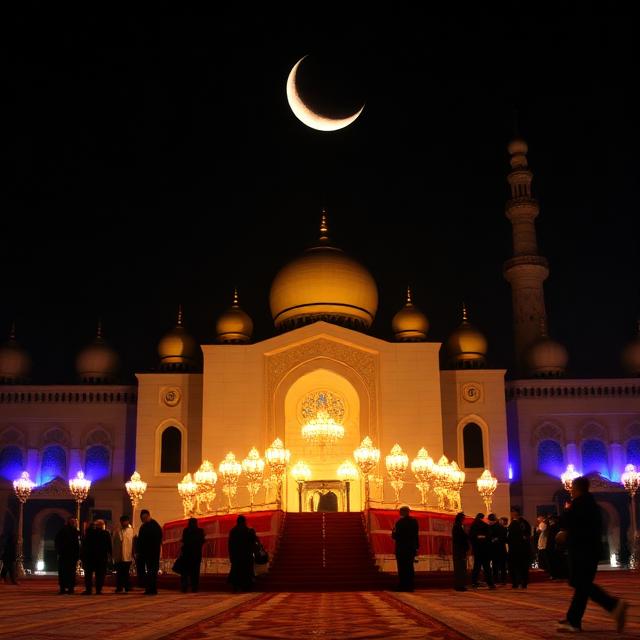
Learn the proper Islamic etiquette for greeting someone during Salah (prayer). Discover when to use As-salamu alaykum, what breaks prayer, and appropriate greetings before and after Salah.
Introduction
Understanding proper greeting etiquette in Islam, especially in relation to Salah (prayer), is essential for every Muslim. Whether you’re meeting someone at the mosque, encountering a person who is praying, or wondering about appropriate greetings during prayer times, knowing the correct Islamic adab (etiquette) demonstrates respect for both your fellow Muslims and the sanctity of worship.
One of the most common questions Muslims have is: “How do I greet someone during Salah?” The answer requires understanding several important Islamic principles about when greetings are appropriate, what breaks the prayer, and how to maintain both brotherhood/sisterhood and reverence for worship.
The Prophet Muhammad (peace be upon him) said: “You will not enter Paradise until you believe, and you will not believe until you love one another. Shall I not tell you about something which, if you do it, you will love one another? Spread salaam (greetings of peace) amongst yourselves.” (Sahih Muslim)
This comprehensive guide will clarify the proper etiquette for greetings in relation to Salah, helping you navigate various situations with confidence and Islamic knowledge.
Understanding the Islamic Greeting: As-Salamu Alaykum
The Foundation of Muslim Greetings
The standard Islamic greeting is “As-salamu alaykum” (السلام عليكم), which means “Peace be upon you.” The response is “Wa alaykum as-salam” (وعليكم السلام), meaning “And upon you be peace.”
This greeting is more than just a formality—it’s an act of worship and a right that Muslims have over one another. The Prophet Muhammad (PBUH) said: “By the One in Whose Hand is my soul, you will not enter Paradise until you believe, and you will not believe until you love one another. Shall I not guide you to something which, if you do it, you will love one another? Spread salaam amongst yourselves.” (Sahih Muslim)
Enhanced Versions of the Greeting
You can earn additional rewards by extending the greeting:
- “As-salamu alaykum” = 10 good deeds
- “As-salamu alaykum wa rahmatullah” (Peace and mercy of Allah be upon you) = 20 good deeds
- “As-salamu alaykum wa rahmatullahi wa barakatuh” (Peace, mercy, and blessings of Allah be upon you) = 30 good deeds
The Critical Rule: Greetings During Actual Salah
Can You Greet Someone Who Is Praying?
The short answer: No, you should not initiate a greeting to someone who is actively performing Salah, and if someone greets you while you’re praying, you should not respond verbally.
This is one of the most important rules in Islamic prayer etiquette. Speaking intentionally during Salah—whether it’s a greeting, response, or any other words—invalidates the prayer according to the majority of scholars.
Evidence from the Quran and Sunnah
Allah says in the Quran: “And stand before Allah, devoutly obedient.” (Quran 2:238)
The Prophet Muhammad (PBUH) taught: “This prayer of ours, it is not permissible for anything of human speech to be mixed with it. Rather, it is only tasbeeh (saying SubhanAllah), takbeer (saying Allahu Akbar), and recitation of Quran.” (Sahih Muslim)
What Happens If Someone Greets You During Prayer?
If someone says “As-salamu alaykum” to you while you’re praying:
- Do not respond verbally – This would break your prayer
- Do not gesture excessively – Minimal movement is permissible if necessary
- Continue your prayer – Focus on your worship
- Respond after completing the prayer – Once you’ve said the final tasleem (ending greeting), you can respond
The Exception: Responding to Salaam During Prayer
There is a scholarly difference of opinion on whether you can respond to salaam during prayer with a gesture:
Majority View (Hanafi, Shafi’i, Hanbali): You should not respond at all during prayer, as any speech breaks the prayer.
Minority View (Some Malikis and others): A slight hand gesture may be permissible to acknowledge the greeting without breaking the prayer, though this is not the preferred opinion.
Safest Approach: Do not respond in any way during the prayer. Wait until you complete your Salah, then respond to the greeting.
Proper Etiquette: Before and After Salah
Greetings Before Prayer
When arriving at the mosque or prayer area:
- Enter with your right foot and say: “Bismillah, wa as-salatu wa as-salamu ‘ala Rasulillah. Allahumma aftah li abwaba rahmatik” (In the name of Allah, and prayers and peace be upon the Messenger of Allah. O Allah, open for me the doors of Your mercy)
- Greet those present with “As-salamu alaykum” before starting your prayer, especially if people are sitting and not yet praying
- If people are already praying, greet them quietly after they complete their prayer, or wait until after the congregational prayer ends
- Perform two rak’ahs of Tahiyyat al-Masjid (Greeting of the Mosque) if you enter the mosque, unless it’s during a forbidden prayer time or the congregational prayer has already started
Greetings After Prayer
Once you’ve completed your Salah:
- End with tasleem: Say “As-salamu alaykum wa rahmatullah” to your right, then to your left
- Respond to greetings: After completing your prayer, if someone greeted you during your Salah, now respond with “Wa alaykum as-salam”
- Greet fellow worshippers: It’s recommended to greet those around you after prayer, strengthening bonds of brotherhood and sisterhood
- Make dhikr (remembrance): Before engaging in lengthy conversations, remember Allah with post-prayer supplications
The Post-Prayer Greeting Tradition
Many Muslims have the beautiful practice of shaking hands and embracing after congregational prayers, saying “As-salamu alaykum” to one another. This is a recommended act that fosters love and unity among Muslims.
The Prophet Muhammad (PBUH) said: “When two Muslims meet and greet each other with salaam, and then shake hands, their sins will be forgiven before they part.” (Sunan Abu Dawud)
Special Situations and Scenarios
Scenario 1: You See Someone About to Pray
What to do:
- If they haven’t started yet, greet them with “As-salamu alaykum”
- Keep the greeting brief so they can begin their prayer on time
- If they’re making wudu (ablution), you can greet them normally
Scenario 2: Someone Enters While You’re Praying
What they should do:
- They should not greet you verbally while you’re praying
- They can wait until you finish
- If necessary (urgent matter), they can get your attention with a gesture, but this should be rare
What you should do:
- Continue your prayer without responding
- If it’s truly urgent and you’re in a congregational prayer, you can make a slight gesture
- Complete your prayer, then attend to them
Scenario 3: Congregational Prayer (Jama’ah)
Before the prayer starts:
- Greet those around you as you arrive
- Fill gaps in the rows
- Stand shoulder to shoulder with fellow worshippers
During the prayer:
- No speaking or greeting anyone
- Focus entirely on the prayer
- Follow the imam’s movements
After the prayer:
- Turn to those on your right and left
- Exchange greetings of peace
- This is a time for community bonding
Scenario 4: Friday Prayer (Jumu’ah)
Friday prayer has special significance, and greetings are especially encouraged:
Before Jumu’ah:
- Arrive early and greet people
- The Prophet (PBUH) said: “Whoever performs ghusl on Friday, purifies himself as much as he can, then uses his (hair) oil or perfumes himself with the scent of his house, then proceeds (for the Jumu’ah prayer) and does not separate two persons sitting together (in the mosque), then prays as much as (Allah has) written for him and then remains silent while the Imam is delivering the Khutba, his sins in-between the present and the last Friday would be forgiven.” (Sahih Bukhari)
During the Khutbah (sermon):
- No talking or greeting once the khutbah begins
- Listen attentively
- Even saying “Be quiet” to someone else talking is discouraged; instead, gesture if necessary
After Jumu’ah:
- Exchange greetings warmly
- This is a weekly gathering of the Muslim community
Scenario 5: Eid Prayers
Eid prayers are times of joy and celebration:
Before Eid prayer:
- Greet everyone with “As-salamu alaykum”
- It’s also recommended to say “Taqabbal Allahu minna wa minkum” (May Allah accept from us and from you)
After Eid prayer:
- Exchange hugs and greetings
- Celebrate together
- Strengthen community bonds
What Breaks the Prayer: Important Guidelines
Understanding what invalidates Salah helps you avoid mistakes:
Actions That Break Prayer:
- Intentional speech – Including greetings, responses, or any conversation
- Laughing out loud – Smiling doesn’t break prayer, but audible laughter does
- Eating or drinking – Intentionally consuming anything
- Major movements – Excessive motion not part of the prayer
- Breaking wudu – Losing your state of ritual purity
- Intentionally facing away from the qibla – Without valid reason
- Exposing the awrah – Uncovering parts of the body that should be covered
What Doesn’t Break Prayer:
- Crying – Especially out of fear of Allah
- Minimal movement – Adjusting position slightly, scratching an itch
- Killing harmful creatures – Like a scorpion or snake if necessary
- Taking a few steps – If genuinely needed
- Responding to parents’ call – With minimal gesture (according to some scholars)
- Protecting yourself or others – From immediate danger
Cultural Variations in Greeting Etiquette
While the core Islamic principles remain the same, cultural practices around greetings may vary:
Middle Eastern Cultures:
- Often include kisses on the cheek after prayer
- Extended handshakes and embraces
- Multiple repetitions of “As-salamu alaykum”
South Asian Cultures:
- May include “Adab” (hand to forehead gesture) as sign of respect
- Embraces after prayer
- Often say “Assalamu Alaikum Warahmatullah Wabarakatuh” in full
Western Muslim Communities:
- Handshakes and verbal greetings
- May be more reserved in public spaces
- Focus on verbal “As-salamu alaykum”
Southeast Asian Cultures:
- May include “Salam” with hand to heart
- Slight bow as sign of respect
- Warm embraces among same gender
Important Note: Regardless of cultural variations, the principle remains: no verbal greetings during active Salah.
Teaching Children Greeting Etiquette Around Prayer
Instilling proper adab in children is essential:
Age-Appropriate Lessons:
Ages 3-5:
- Teach them not to talk to someone who is praying
- Show them how to wait quietly
- Praise them when they observe quietly
Ages 6-9:
- Explain why we don’t interrupt prayer
- Teach them the proper greeting
- Practice waiting until after prayer to speak
Ages 10+:
- Discuss the Islamic rulings
- Explain what breaks prayer
- Encourage them to remind others gently
Practical Tips for Parents:
- Model the behavior – Children learn by watching
- Create a prayer-friendly home – Designate prayer spaces
- Establish family rules – “When someone is praying, we wait”
- Praise good behavior – Reinforce positive actions
- Correct gently – If they interrupt, remind them kindly
The Spiritual Significance of Proper Greetings
Spreading Salaam is Worship
The Islamic greeting isn’t just social courtesy—it’s an act of worship that:
- Increases faith – The Prophet (PBUH) linked spreading salaam with belief
- Creates love – Between Muslims in the community
- Earns rewards – Each greeting brings hasanat (good deeds)
- Spreads peace – The word “salam” means peace
- Follows the Sunnah – It’s the practice of the Prophet (PBUH)
Prayer and Community
Salah, while an individual act of worship, also has a strong communal dimension:
- Congregational prayer is 27 times more rewarding than praying alone
- Greeting before and after prayer strengthens community bonds
- Unity in worship demonstrates the equality of all believers
- Shared experience creates brotherhood and sisterhood
Common Mistakes to Avoid
Mistake 1: Responding to Salaam During Prayer
The Error: Saying “Wa alaykum as-salam” while praying
The Correction: Wait until after you complete your prayer with tasleem
Mistake 2: Initiating Conversation with Someone Praying
The Error: Saying “As-salamu alaykum” to someone actively in Salah
The Correction: Wait until they finish, or if necessary, wait by them quietly
Mistake 3: Talking During the Khutbah
The Error: Greeting someone after the Friday sermon has begun
The Correction: If you arrive late and the khutbah has started, sit quietly and greet people after the prayer
Mistake 4: Excessive Movement in Response
The Error: Waving or gesturing excessively when greeted during prayer
The Correction: Maintain focus on prayer; minimal movement only if absolutely necessary
Mistake 5: Forgetting to Respond After Prayer
The Error: Someone greeted you during your prayer, and you forget to respond afterward
The Correction: Make it a habit to check if anyone greeted you and respond after completing your prayer
Practical Tips for Different Settings
At the Mosque:
- Arrive early to exchange greetings before prayer
- Greet the imam and those around you
- Wait quietly if others are praying
- Respond warmly after the prayer ends
- Don’t rush out – take time for community connection
At Work:
- If a colleague is praying, don’t disturb them
- Leave a note if something is urgent
- Respect prayer breaks – understand this is their right
- Greet them when they return from prayer
- Learn about Islamic practices to be a supportive colleague
For more information on creating inclusive workplaces, explore our guide on ethical employment practices that respect religious obligations.
At Home:
- Establish prayer times as sacred family time
- Teach children not to interrupt
- Create a quiet space for prayer
- Greet family members before and after their prayers
- Make it a spiritual household by observing these etiquettes
In Public Spaces:
- Be discreet if you need to pray
- Don’t greet someone you see praying in public
- Wait patiently if you need to speak with them
- Respect their worship even in non-Muslim spaces
- Lead by example with proper etiquette
The Connection Between Salah and Community Well-being
Prayer Times as Community Rhythms
The five daily prayers create natural rhythms in Muslim communities:
- Fajr – Starting the day with remembrance of Allah
- Dhuhr – Midday pause for spiritual connection
- Asr – Afternoon renewal
- Maghrib – Sunset gratitude
- Isha – Night reflection
During these times, greetings and social interactions pause for worship, then resume with renewed spiritual energy.
Economic and Social Implications
Understanding prayer etiquette has practical implications in various spheres:
In Business:
- Scheduling meetings around prayer times shows respect
- Understanding that Muslim colleagues need prayer breaks
- Creating prayer-friendly policies
In Education:
- Allowing students time for prayer
- Teaching all students about religious respect
- Creating inclusive environments
In Healthcare:
- Facilitating prayer for Muslim patients
- Understanding prayer time needs
- Respecting spiritual practices during treatment
For professionals interested in Islamic business ethics, understanding Islamic finance provides deeper insight into how faith integrates with professional life.
Special Considerations for New Muslims
If you’re new to Islam, learning greeting etiquette around prayer can feel overwhelming. Here’s guidance:
Start with the Basics:
- Learn “As-salamu alaykum” – This is your primary greeting
- Understand prayer times – Know when Muslims pray
- Observe before acting – Watch how others behave
- Ask questions – Muslims are generally happy to teach
- Don’t worry about mistakes – Sincerity is what matters
Common Questions from New Muslims:
Q: What if I accidentally greet someone during prayer? A: Don’t worry. If you didn’t know, Allah is Most Merciful. Learn from it and do better next time.
Q: Should I convert to Islam before greeting Muslims? A: No! You can and should greet Muslims with “As-salamu alaykum” regardless of your faith. It’s a greeting of peace.
Q: What if I’m not sure if someone is praying? A: If they’re standing still, facing one direction, and seem focused, they’re likely praying. Wait quietly.
Q: Can I pray with Muslims if I’m not Muslim? A: Generally, Islamic prayer is for Muslims. However, you’re welcome to observe respectfully from a distance.
The Role of Technology in Modern Greeting Etiquette
Digital Greetings and Prayer
In our connected world, new questions arise:
Text Messages During Prayer:
- If you’re praying, silence your phone
- Don’t check messages during Salah
- Respond to greetings after prayer
Video Calls and Prayer:
- If prayer time enters during a call, politely excuse yourself
- Say: “It’s prayer time, I need to step away. I’ll call you back.”
- Most people will respect this
Social Media:
- You can post “As-salamu alaykum” greetings
- Avoid posting during prayer if it distracts you
- Use technology to remind yourself of prayer times
Apps That Help:
- Prayer time apps – Alert you before prayer so you can finish conversations
- Qibla finders – Help you face the right direction
- Islamic greeting reminders – Encourage spreading salaam
- Mosque finders – Locate places for congregational prayer
Frequently Asked Questions (FAQs)
Q: Can I nod or gesture in response to salaam during prayer?
A: The majority of scholars say you should not respond in any way during prayer. Some allow a very slight hand gesture, but the safest approach is to not respond at all and wait until after prayer.
Q: What if someone keeps trying to greet me while I’m praying?
A: Continue your prayer. After you finish, you can gently explain that speaking during prayer breaks it. Most people will understand once you explain.
Q: Is it permissible to say salaam to someone who is making wudu?
A: Yes, absolutely! Wudu (ablution) is preparation for prayer, not the prayer itself. You can and should greet someone making wudu.
Q: Can I greet someone who is waiting for prayer to start?
A: Yes! If the prayer hasn’t begun yet and they’re just waiting, you can greet them normally.
Q: What if I’m in the middle of prayer and someone says salaam to me—do I have to respond after?
A: It’s recommended (mustahabb) to respond after you finish your prayer, especially if you saw or heard them greet you. It’s part of maintaining brotherhood/sisterhood.
Q: Can women greet men and vice versa around prayer times?
A: Yes, men and women can exchange Islamic greetings. However, physical contact (handshakes, hugs) should be avoided between non-mahram (those you can marry) men and women. A verbal “As-salamu alaykum” is perfectly appropriate.
Q: What if I forget and respond during prayer?
A: If you forget and respond verbally, your prayer is invalidated according to most scholars. You should stop and restart your prayer. Allah knows your intention, and if it was truly forgetfulness, He is Most Forgiving.
Q: Is it okay to text “As-salamu alaykum” to someone I know is praying?
A: It’s better to wait until after their prayer time. They might feel obligated to respond immediately, which could distract them. Send your greeting before or after their prayer time.
Q: Can I greet someone who is praying Sunnah (voluntary) prayers?
A: The same rules apply. Whether obligatory (fard) or voluntary (sunnah/nafl) prayers, speaking breaks the prayer. Wait until they finish.
Q: What’s the difference between greeting before and after congregational prayer?
A: Before prayer, greetings help build community as people gather. After prayer, greetings celebrate the completion of worship together and strengthen bonds. Both are highly recommended.
Conclusion: Spreading Peace Through Proper Etiquette
Understanding how to properly greet someone in relation to Salah is more than just knowing rules—it’s about embodying the Islamic values of respect, mindfulness, and community.
Key Takeaways:
- Never initiate or respond to verbal greetings during active Salah – This breaks the prayer
- Greet warmly before and after prayer – This builds community and earns rewards
- Respect those who are praying – Wait quietly if you need to speak with them
- Spread salaam generously – It’s a simple act that spreads peace and earns immense rewards
- Teach others with kindness – Share this knowledge gently, especially with children and new Muslims
- Remember the purpose – Both Salah and spreading salaam are acts of worship that bring us closer to Allah
The Prophet Muhammad (PBUH) said: “The person who is closest to me on the Day of Resurrection will be the one who sends the most blessings upon me.” And part of following his example is spreading peace through proper greetings and maintaining the sanctity of prayer.
As you navigate daily interactions, remember that every “As-salamu alaykum” is an opportunity to:
- Earn rewards from Allah
- Spread peace in your community
- Follow the Sunnah of the Prophet (PBUH)
- Build stronger relationships with fellow Muslims
- Demonstrate the beauty of Islamic etiquette
May Allah (SWT) make us among those who establish prayer properly, spread peace abundantly, and embody the best of Islamic character in all our interactions. Ameen.
Additional Resources
Continue your journey of Islamic learning with these related topics:
- Discover how Islamic principles guide business in our comprehensive guide to Islamic finance
- Learn about maintaining halal standards in food and products through halal certification
- Explore how to create inclusive workplaces that respect religious practices through ethical employment practices
Disclaimer: This article provides general Islamic guidance based on mainstream scholarly opinions. Specific situations may vary, and for complex personal circumstances, consult with a qualified Islamic scholar or imam.