Introduction: A Blueprint for a Fractured Nation
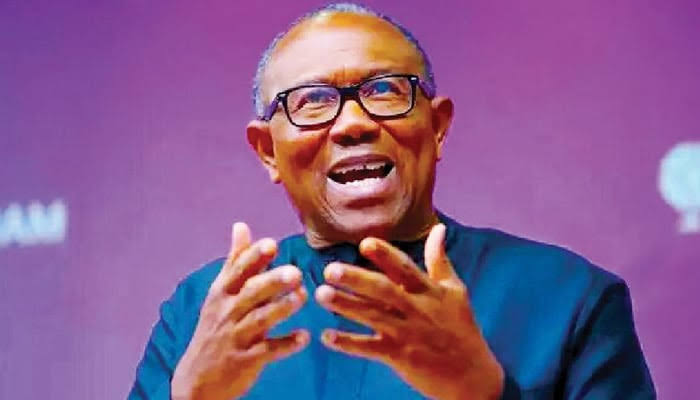
In a political landscape often defined by bitter rivalries, infrastructural decay, and deepening economic hardship, the discourse surrounding Nigeria’s future can easily become mired in cynicism. Yet, in a recent, remarkably candid interview, prominent political figure and former Anambra State Governor Peter Obi offered a refreshing departure from the usual political theater. Against the backdrop of a nation grappling with severe economic realities—including a staggering 35 million citizens on the national hunger list—Obi laid out a governance philosophy rooted not in vengeance or partisan supremacy, but in compassion, meritocracy, and radical inclusivity. His insights provide a compelling blueprint for national revival, challenging the status quo and urging a shift from adversarial politics to collaborative problem-solving.
Key Points: Redefining Leadership and Opposition
1. The Myth of the Monopoly on Good Ideas
One of the most striking themes of the interview is Obi’s rejection of the traditional, adversarial view of political opposition. He firmly believes that no single political party holds a monopoly on the ideas required to make a complex society function. Drawing from his tenure as the Governor of Anambra State, Obi highlighted how he worked seamlessly with an opposition-dominated legislature, including the Speaker and senators from rival parties. His philosophy is clear: the more minds you bring together, the better the results. Rather than weakening the opposition, a true leader should ensure that “every section of Nigeria is strong” to foster robust, national consultation.
2. Governance Rooted in Compassion and Meritocracy
At the heart of Obi’s political ideology is a profound sense of empathy. He sharply contrasts his approach with the current administration, which he argues lacks compassion, pointing to the silent crisis of 35 million Nigerians facing hunger. To illustrate his point, he shared a poignant anecdote from his time in Anambra: a brilliant young girl accidentally set her school hostel on fire with a candle. Instead of punishing her, Obi rebuilt the facility and awarded her a scholarship. Today, she is a medical doctor. This story encapsulates his ultimate goal: to create a meritocratic society where “a child of nobody can be somebody without knowing anybody,” ensuring that talent and hard work, rather than connections, dictate opportunity.
3. Fiscal Austerity and Prioritizing the Workers
Obi also shed light on his personal approach to the perks of power. Upon leaving office in Anambra, he famously refused post-governorship benefits, stating he didn’t want “Fanta, Coke, or anything” from the state. Instead, he redirected those funds to clear the backlog of pensions for state workers who had served for 35 years. This anecdote serves as a powerful testament to his belief that the resources of the state should serve the people, particularly the most vulnerable and long-serving civil servants, rather than padding the retirement of the political elite.
4. Navigating Political Friction with Dignity
Addressing the inevitable rumors of internal crises within his political movement (often referred to as the Obidient family) and the public attacks from political rivals, Obi maintained a stance of stoic dignity. He dismissed internal disagreements as normal “family” squabbles, akin to those between a husband and wife. When pressed on debate challenges from Minister of Works Dave Umahi regarding road conditions, and character attacks from former Governor Nasir El-Rufai over a past Governors Forum election, Obi refused to be dragged into the mud. He dismissed Umahi’s challenge by noting the minister is now fixing the roads, effectively closing the debate, and left his character to be judged by the Nigerian public rather than engaging in “she said, he said” politics.
Sentiment Integration: Empathy, Frustration, and Unyielding Optimism
To truly grasp the weight of Obi’s message, one must feel the deep, underlying concern for the Nigerian populace. His metaphor that citizens are so frustrated they “want to eat from the pot even if the food is uncooked” perfectly captures the urgent, desperate mood of a tired nation. There is a palpable frustration with a system that prioritizes political survival over human lives.
Yet, this concern is beautifully counterbalanced by a profound optimism and enthusiasm for what Nigeria can be. When he speaks of the girl who became a doctor, his tone shifts to one of fierce pride and belief in the Nigerian youth. Furthermore, his responses to political attacks are laced with a quiet confidence and dignity. He does not sound defensive; rather, he sounds like a seasoned captain steering a ship through a storm, unfazed by the splashing waves of political rivalry.
Informative Elements: Contextualizing the Political Landscape
To fully appreciate Obi’s responses, it is helpful to understand the specific political contexts he addresses:
The “Premier League” Analogy: When Obi compares himself to a Premier League team and his critics to Division One players, he is making a point about political hierarchy and relevance. As a serious presidential contender, he views debates with ministers or vice-presidential candidates from smaller parties as a mismatch that distracts from the core national issues.
The NGF Dispute: The character attack mentioned by Nasir El-Rufai refers to a historical splintering of the Nigerian Governors Forum (NGF) during the Goodluck Jonathan administration. By dismissing this, Obi is signaling that he views such historical political maneuvering as ancient history, urging the public to focus on current track records rather than resurrecting old political wounds.
The “Obidient” Movement: The mention of Aisha Yufu and Sye Dixon refers to key figures in Obi’s grassroots movement. By framing their minor public disagreements as “family issues,” Obi is attempting to project unity and reassure his massive, highly engaged youth base that the movement remains intact despite the pressures of the political season.
Conclusion: A Call for a New Political Ethos
Peter Obi’s interview is more than just a political manifesto; it is a philosophical plea for a new ethical standard in Nigerian leadership. He challenges the deeply entrenched notion that politics is a zero-sum war, proposing instead that it is a collaborative effort to care for the “family” of the nation.
Implications and Call to Action:
The insights shared in this interview carry profound implications for the future of Nigeria’s democracy. If leaders can adopt Obi’s willingness to collaborate with the opposition, prioritize the welfare of the most vulnerable over political grandstanding, and maintain dignity in the face of provocation, the nation could begin to heal its deep partisan and regional fractures.
For the Nigerian voter, the call to action is clear: look beyond the noise, the insults, and the political theater. Evaluate leaders not by how loudly they can shout down their opponents, but by their track record of compassion, their commitment to meritocracy, and their willingness to put the “uncooked food” of national development on the table for all to share. As Obi rightly notes, the ultimate judges of character and capacity are the Nigerian people—and it is time they demand nothing less than a leadership that truly cares.